

Poor health affects your whole life.
When you’re unhealthy, you’re less productive. You miss opportunities with your loved ones. You have fewer chances to achieve your goals and less capacity to pursue your dreams. It doesn’t have to be that way! Together, we will investigate the root causes of your health issues and start a path towards maximum wellness so you can feel better and live a fuller life.
To radically improve your health, you need more than an ordinary doctor’s office.
Our unique model surrounds you with a full team of compassionate health care professionals.
We’ll use advanced testing, natural interventions, and cutting edge therapies to help you feel better.
YOUR CLINICIAN
Highly trained in both Functional Medicine and Conventional Medicine. An outside-the-box thinker ready to help you achieve your wellness goals.
YOUR MAXWELL ADVOCATES
Your biggest fan. Provides you with the resources and support you need to close the gap between your intentions and your actions.
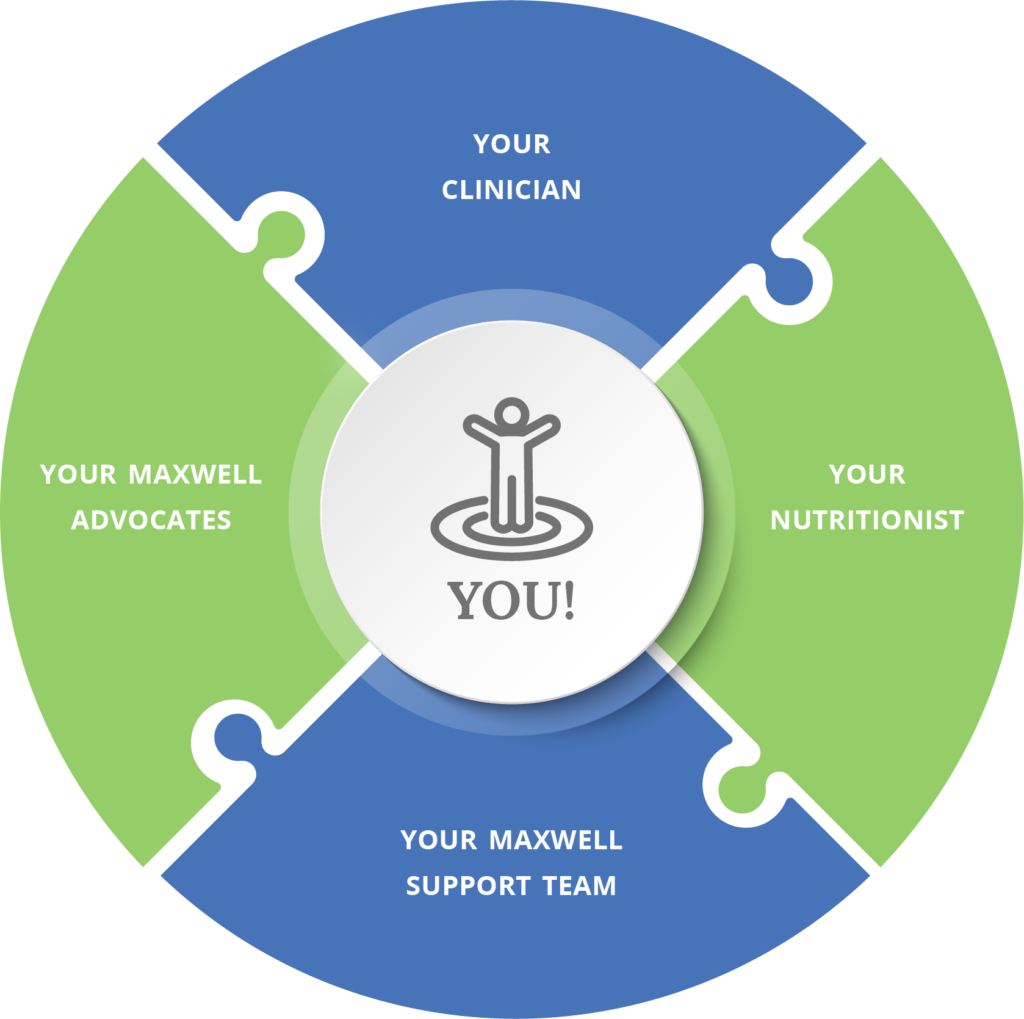
YOUR NUTRITIONIST
Teaches and inspires you to take control of your own health with foods specifically tailored to your body’s unique needs.
YOUR MAXWELL SUPPORT TEAM
Your entire team, both administrative and clinical, is passionate about their role in your healing journey. We know that creating health is a team sport and we aim to help you win.
When I came to MaxWell Clinic I was looking for someone highly knowledgeable on Hashimoto’s and someone who would spend more than 15 minutes talking to me about it. I was discouraged and wanted to feel better and get my energy back. My clinician at MaxWell Clinic is so thorough. She pays attention to the littlest details. She listens to my words, thinks about them, and replies. She really cares… She had a well thought out plan and I feel totally normal again!
Jennifer, patient of MaxWell Clinic
The lab work was far more extensive than ever before, as well as the frequency of appointments to check in about things. My Clinician is very empathic and gave me the sense that she was on this journey with me in finding solutions and better health. I have more energy, I feel like I have more agency and my digestive issues have greatly improved. I feel honored and cared for. I feel I have a true health care partner.
Julie
In one visit, my MaxWell Clinic clinician did more for me than 2 specialists and my PCP combined last summer. I explained that I didn’t want pain killers. This is usually where the conversation dies. She ran additional tests in order to pinpoint the diagnosis so that we could treat the disease instead of just the symptoms. For the first time in a long time, I don’t feel like I am just going to live with pain every day for the rest of my life. It’s a very freeing concept.
Tulin, patient of MaxWell Clinic
Comprehensive Functional Medicine Primary Care in Nashville, TN
MaxWell Care Program: medical care that truly transforms your health.

More time
No more 10-minute doctor appointments. The length of our appointments are around 4 times the national average, giving you the time you need to feel heard and understood by your clinician.

Virtual visits available
To save you time and travel, you can choose to visit our clinic in person or have most appointments virtually.

Custom wellness plan
We’ll create a personalized wellness plan to improve your understanding and serve as a map for our journey together to achieve your health goals.

Patient education
You’ll get exclusive access to health education sessions from our in-house experts. Tune in live or on-demand for wholesome, cutting-edge information from the doctors you have grown to trust.

Access to testing
As the birthplace of Personalized Systems Medicine, we love data. So, we’ve partnered with over 30 leading labs from around the world and use extensive in-office diagnostic testing to identify the many interacting and underlying causes of disease.

Discounts
Your monthly program fee includes discounts on best-in-class supplements.

No more costly co-pays
No more worrying about co-pays, deductibles, or denial of coverage from your insurance. All your visits and tons of support are included in your monthly program fee.

Unlimited messaging
Get better answers to your questions. You’ll never be left to the mercy of “Dr. Google” again.
Investing in your health today enables a better tomorrow.
Whether you’re ready to find and address the root causes of a chronic disease, prevent illness and suffering down the road, or Maximize your potential Wellness, the MaxWell Clinic team is ready for you.
The MaxWell Care Program
Chronic disease and dysfunction limit your quality of life. We know you want to be the healthiest version of yourself, but you’re frustrated and discouraged. Most of the health care you’ve received elsewhere was probably focused on suppressing symptoms — NOT treating the underlying causes of dysfunction. You deserve more than that. At MaxWell Clinic, we’re committed to finding and addressing these underlying causes so you can Maximize your Wellness.
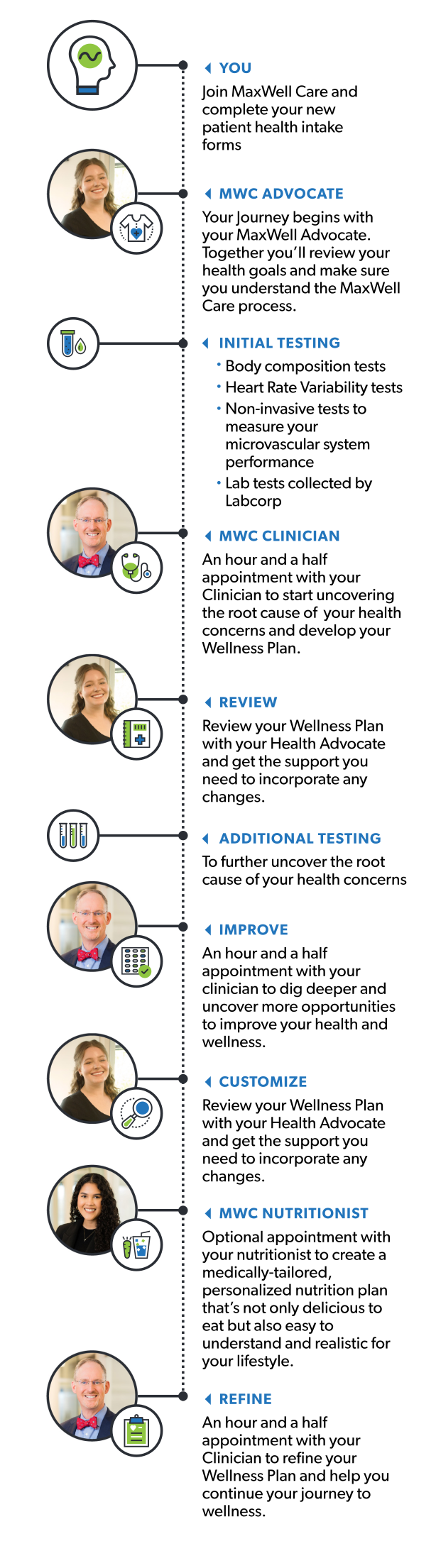
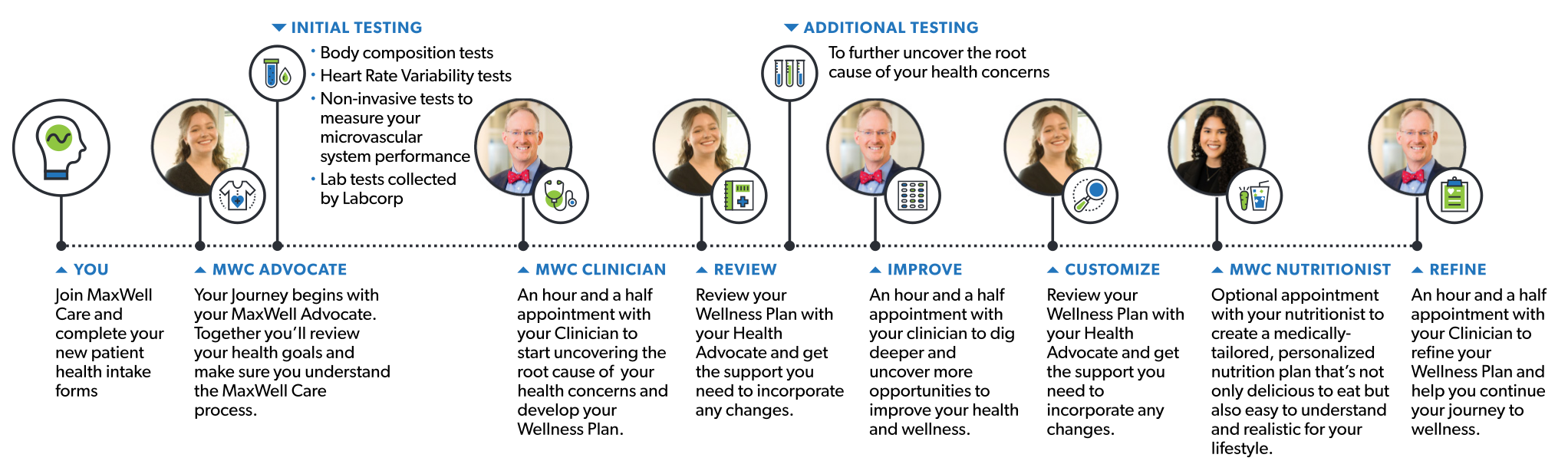
As a new patient at MaxWell Clinic, you’ll begin with three months of intensive assessment through extended visits with your healthcare team. Your MaxWell team consists of your MaxWell Clinic Advocate, your Clinician, your Nutritionist — and YOU! You are the most important member of the team. Your voice matters here because you are the key decision-maker when considering your treatment options.
After your initial 3 month month intensive, you will continue your journey with us toward wellness. Real transformation is an ongoing journey. Your personal healthcare team will continue to guide you along the path towards improved health and maximum wellness. Together, we ensure you stay on track and continue to make your health the number one priority!
We’re able to see all patients, regardless of the insurance they do or don’t have. We’re not constrained in the type of care we can deliver by being in-network with insurance and many of our patients use other benefits to get partially reimbursed for the care they receive. For example, you may use your FSA or HSA for your visits with us. Your care may also be partially reimbursed as out-of-network care by your insurance provider.
3 month plan
Start uncovering the root cause of your illness with a 3-month intensive program.

$3,075
*plus additional onboarding fee of $900
Includes:
- 3 months of care
- Extensive Pre-visit data gathering
- Once/month Clinician visits for 3 months
- Unlimited visits with your MaxWell Advocate
- Nutritionist support
- Access to advanced diagnostic testing
- Personalized treatment plan
- Unlimited messaging with your team
- Discounts on supplements
12 month plan
Start uncovering the root causes of your illness, stay on course and keep moving towards your wellness goals.

$4,896
*plus additional onboarding fee of $900
Includes:
- 12 months of care
- Extensive Pre-visit data gathering
- Once/month Clinician visits for the first 3 months
- Quarterly Clinician visits after your initial 3 month program
- Unlimited visits with your MaxWell Advocate
- Nutritionist support
- Access to advanced diagnostic testing
- Personalized treatment plan
- Unlimited messaging with your team
- Discounts on supplements
Your first 3 months of MaxWell Care
The MaxWell Clinic Difference
Insurance companies are not in charge of your health decisions, but sometimes we feel like they are. The mindset of insurance-limited medical care reduces the sacred, doctor-patient relationship down to an experience of transactional office visits, insurance codes, and medication-only treatment that at best suppress symptoms and at worst causes more harm. The standard health care model is driven by the bloated, medical/pharmaceutical/insurance industrial complex that prioritizes shareholder returns over patient outcomes. This reactive healthcare approach leaves you on a pharmaceutical treadmill without providing a solution for your underlying health problems.
We think you deserve more than that.
Rather than trying to fit inside this dysfunctional model, we designed our clinic to give you more of what you actually need. Without the restrictions of an insurance-based health care model, we are able to offer you more time, more support, and more innovative therapies. We believe we are the ideal clinic for anyone who wishes to take their healthcare to the next level.
MaxWell Care |
Outdated Model of Care |
|---|---|
|
MORE TIME Your average appointment time is 45 minutes. We know that if we listen better and listen longer, you can give us the clues we need to help you. We build in time for meaningful communication. |
LESS TIME In order to stay solvent, clinics that are in-network with insurance plans need to operate at high volumes, leading to an average appointment time of 8 minutes. You feel rushed and are sad that your doctor doesn’t really know you. And the doctor is sad too. |
|
ADVANCED TESTING Personalized Systems Medicine is founded upon the mantra “test, don’t guess.” For 18 years we have pioneered innovative medicine and formed an amazing network of over 30 laboratories from around the world. We also have extensive, in-house diagnostics to assess vascular, neurologic, cardiac, lung, eye, and full body health. |
BASIC TESTING Health insurance companies affect patient care indirectly by restricting which tests, medications, and procedures will “be covered.” If either you or the doctor accepts these limitations the resulting diagnostic blind spots will affect your ability to know what your problems are and your ability to act to solve them. |
|
PERSONALIZED THERAPIES After we determine your best course of treatment, we prescribe “What is Wise and Works.” That may be lifestyle modifications, dietary changes, educational offerings, supplements, medications, or even referrals to our trusted network of experts. We offer a broad range of treatments and advanced therapies you won’t find anywhere else under one roof, including IVs, Neurofeedback, and Regenerative Plasma Exchange. |
COOKIE CUTTER APPROACH Through a rigid approval/denial system, health insurance companies can deny the coverage and payment of in-depth investigation and novel therapies. Because fighting these bureaucratic behemoths is exhausting, doctors start to only recommend what will be approved to their patients. This ends up creating a one-size-fits-all approach to treating your diagnosis when what is needed and desired is recognition that you are a unique individual who deserves a personalized approach. |
|
MORE CLINICIAN CONTACT You have an average of 5 visits per year with your Clinician and an unlimited amount of visits with your MaxWell Advocate and Dietician. Your entire team will stop at nothing to help you plot a course to better your health and empower you to reach your goals. |
ONE AND DONE Your visits with your current doctor feel rushed, too short and leave you wondering if they were even listening. You often leave your appointment with more questions than answers which causes you a great deal of frustration. |
|
MORE EDUCATION You’ll have access to online and in-person classes that provide more of the guidance you need to achieve a healthy, vibrant, balanced life. |
GOOGLE MD You’re frustrated because you’re not getting better, so you decide to just google your symptoms and try to figure it all out on your own. It’s awesome to have so much knowledge at your fingertips, but in amongst the helpful information is a wide range of useless or dangerous opinions and false information which makes Dr Google a fickle physician. |
|
ROOT CAUSE Our entire model is built to find and address the underlying root causes of disease and health dysfunctions so you can get better, stay better and maximize your wellness. |
SUPPRESSING SYMPTOMS The insurance-based model of care financially incentivizes leaving the office with a prescription drug, because this changes the insurance-billing-code to one that pays the clinic more money. These band-aid solutions may offer temporary relief, but do not remove or resolve the underlying causes of the symptom, leaving the opportunity for the causes to create more and different symptoms. |
MaxWell Care |
|---|
|
MORE TIME Your average appointment time is 45 minutes. We know that if we listen better and listen longer, you can give us the clues we need to help you. We build in time for meaningful communication. |
|
ADVANCED TESTING Personalized Systems Medicine is founded upon the mantra “test, don’t guess.” For 18 years we have pioneered innovative medicine and formed an amazing network of over 30 laboratories from around the world. We also have extensive, in-house diagnostics to assess vascular, neurologic, cardiac, lung, eye, and full body health. |
|
PERSONALIZED THERAPIES After we determine your best course of treatment, we prescribe “What is Wise and Works.” That may be lifestyle modifications, dietary changes, educational offerings, supplements, medications, or even referrals to our trusted network of experts. We offer a broad range of treatments and advanced therapies you won’t find anywhere else under one roof, including IVs, Neurofeedback, and Regenerative Plasma Exchange. |
|
MORE CLINICIAN CONTACT You have an average of 5 visits per year with your Clinician and an unlimited amount of visits with your MaxWell Advocate and Dietician. Your entire team will stop at nothing to help you plot a course to better your health and empower you to reach your goals. |
|
MORE EDUCATION You’ll have access to online and in-person classes that provide more of the guidance you need to achieve a healthy, vibrant, balanced life. |
|
ROOT CAUSE Our entire model is built to find and address the underlying root causes of disease and health dysfunctions so you can get better, stay better and maximize your wellness. |
Outdated Model of Care |
|---|
|
LESS TIME In order to stay solvent, clinics that are in-network with insurance plans need to operate at high volumes, leading to an average appointment time of 8 minutes. You feel rushed and are sad that your doctor doesn’t really know you. And the doctor is sad too. |
|
BASIC TESTING Health insurance companies affect patient care indirectly by restricting which tests, medications, and procedures will “be covered.” If either you or the doctor accepts these limitations the resulting diagnostic blind spots will affect your ability to know what your problems are and your ability to act to solve them. |
|
COOKIE CUTTER APPROACH Through a rigid approval/denial system, health insurance companies can deny the coverage and payment of in-depth investigation and novel therapies. Because fighting these bureaucratic behemoths is exhausting, doctors start to only recommend what will be approved to their patients. This ends up creating a one-size-fits-all approach to treating your diagnosis when what is needed and desired is recognition that you are a unique individual who deserves a personalized approach. |
|
ONE AND DONE Your visits with your current doctor feel rushed, too short and leave you wondering if they were even listening. You often leave your appointment with more questions than answers which causes you a great deal of frustration. |
|
GOOGLE MD You’re frustrated because you’re not getting better, so you decide to just google your symptoms and try to figure it all out on your own. It’s awesome to have so much knowledge at your fingertips, but in amongst the helpful information is a wide range of useless or dangerous opinions and false information which makes Dr Google a fickle physician. |
|
SUPPRESSING SYMPTOMS The insurance-based model of care financially incentivizes leaving the office with a prescription drug, because this changes the insurance-billing-code to one that pays the clinic more money. These band-aid solutions may offer temporary relief, but do not remove or resolve the underlying causes of the symptom, leaving the opportunity for the causes to create more and different symptoms. |
Join MaxWell Care. It’s easy to get started.
- Fill out the form and receive the link to start your new patient paperwork
- Choose between our 3 month program or our 12 month program
- Start your journey to maximize your wellness
Blog: MaxWell Care
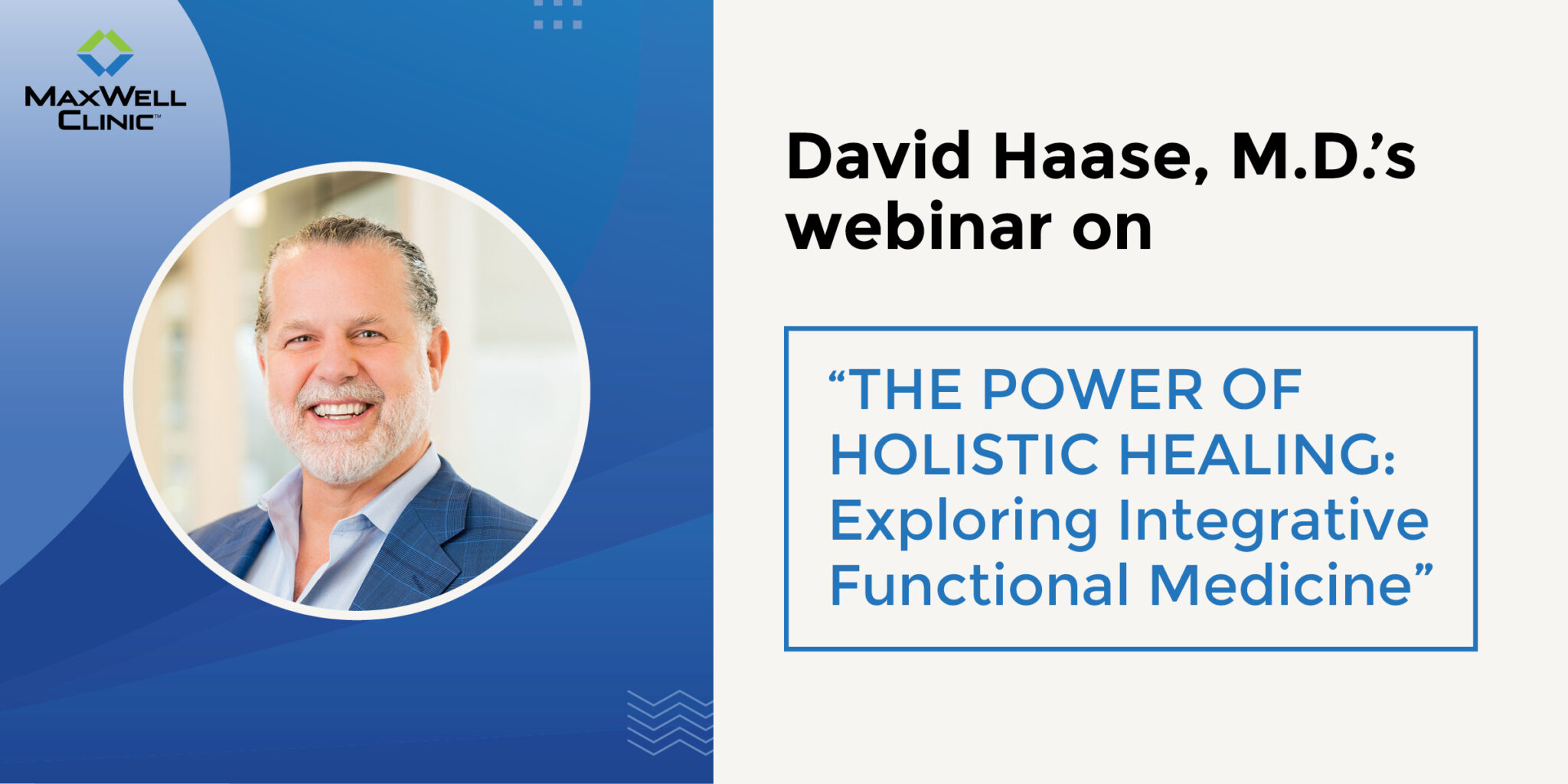
The Power of Holistic Healing: Exploring Integrative Functional Medicine
Are you tired of feeling like just another number in the healthcare system? If so, you’re not alone. In today’s fast-paced world, finding personalized care that truly addresses your unique health needs can feel like a daunting task. But fear not! Dr. David Haase, founder of MaxWell Clinic, is here to revolutionize the way you approach your health journey.
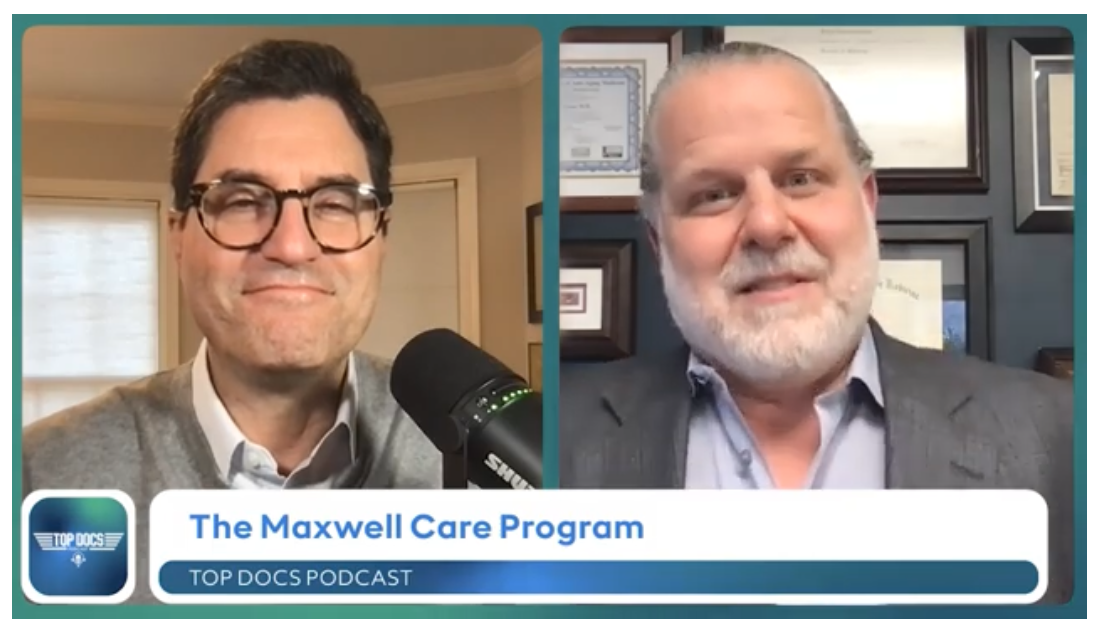
Top Docs Vodcast with David Haase, MD on MaxWell Care
We’re thrilled to share our latest video podcast episode with you, “Top Docs Vodcast with Dr. Haase: Maxwell Care.” In this episode, Dr. Haase discusses the many benefits of our personalized approach to healthcare. Whether you’re a current MaxWell Care patient or not, we believe you’ll find this episode insightful and informative.
Frequently Asked Questions
Do I have to join MaxWell Care to become a new patient?
To receive comprehensive care from a clinician at MaxWell Clinic, you must participate in our 3-month or 12-month MaxWell Care program. However, if you only wish to receive Neurofeedback or Regenerative Plasma Exchange or Ketamine as a therapy, you can do so without joining MaxWell Care. If you have questions about this, please call us at 615-370-0091.
Do you take insurance?
We’re able to see all patients, regardless of the insurance they do or don’t have. While we’re not under the in-fluence of being in-network with insurance, many of our patients do use their out-of-network benefits to get partially reimbursed for care received at our clinic.
The reason we don’t take insurance at MaxWell Clinic is due to our unwavering commitment to maximize wellness one very important patient at a time and the unique model of care that is needed to make good on that commitment. Insanity is doing the same thing over and over and expecting different results. Expecting to radically improve your health by doing the same things with the same tools in the same way with the same less-than-perfect healthcare system is by that definition, Insanity.
Rather than simply treating your symptoms, we seek to understand why those symptoms are there…and to be honest, to do that effectively takes time and a team. We designed our practice in a way that enables us to build deeper relationships with our patients. More time and more care to maximize your opportunity for better health.
Can I use my HSA or FSA?
Many of our patients use Health Savings Accounts (HSA) or Flexible Spending Accounts (FSA) to pay for care at MaxWell Clinic. This allows you to use pre-tax dollars, which saves you money.
How does out-of-network insurance work?
Based on your insurance, you may be able to recoup some of your MaxWell Care costs by submitting your office visits or group visits (also known as health webinars) as an out-of-network expense. Please understand, insurance will not simply reimburse you for your MaxWell Care program fees, but rather, after each office visit, you can ask your Health Advocate for the paperwork you can submit to your insurance company. Typical out-of-network reimbursement may refund you anywhere from 30-60% of your MaxWell Care program fees. Remember, every insurance program is different, so it is best to connect with your insurance provider to clarify your benefits and take advantage of FSA, HSA, and out-of-network coverage.
What conditions and symptoms do you treat?
You’ve probably noticed we don’t have a list of conditions we treat on our website. That’s because we treat humans, not just their diseases. Our Clinicians are trained conventionally to treat a wide variety of illnesses, but also trained to approach you as a whole unique individual that deserves and requires a customized approach. We aim to uncover the root causes of your illness and empower you to make changes that lead to healing.
Is the cost for labs or advanced testing included in my monthly MaxWell Care fees?
Your blood work, specialty testing, and supplements are not included in your program fee. While most of our standard labs are done through LabCorp and can often be covered through your insurance, we often suggest specialty lab testing to our patients. Please speak with your insurance company before completing blood work or specialty testing to fully understand your coverage. You always have the final say with regard to what testing you engage and we’re happy to answer any questions you may have.
Are you a Functional Medicine Clinic?
Our founder, David Haase, MD is one of the early pioneers in the field of Functional Medicine, and he continues to teach as Lead Faculty for the Institute for Functional Medicine as they certify clinicians in this way of organizing information and prioritizing interventions. All of the clinicians at MaxWell Clinic have participated in this certification process at the Institute for Functional Medicine and are personally mentored by Dr. Haase. We are proud to be a center that other Functional Medicine physicians choose to receive their care.
From Dr. Haase’s foundations of medical school at Vanderbilt and residency and conventional practice at The Mayo Clinic and his deep history in Holistic, Integrative, and Functional Medicine he has fathered the emerging field of Personalized Systems Medicine. This is complexity systems science applied to individualized human health. It is where Big Data meets Personalized Care.
And at the end of the day, what we call ourselves matters less than what we strive to practice – which is “Good Medicine”.
I don’t live in Tennessee, can I join the MaxWell Care program?
Yes! Absolutely, out-of-state patients are more than welcome to participate in the MaxWell Care program. However, the initial step involves an in-person visit to our clinic in Brentwood, TN to establish care with us. Following this, it’s essential for you to have at least two in-person visits annually, while the remaining clinician visits can conveniently be conducted through telemedicine.
What age requirement must patients meet to enroll in the MaxWell Care Program?
The minimum age for enrollment in MaxWell Care is 14 years old. In addition to that, patients 14-18 (minors) years old will still need a primary care pediatrician on record to cover urgent care, vaccinations, and all routine pediatric health care services.
Will MaxWell Clinic be considered my primary care physician?
MaxWell Clinic’s world-class clinicians are trained in primary care specialties like family medicine and internal medicine; however, we recommend our patients maintain a different primary care physician for things like vaccinations, strep or flu testing, urgent care, or same-day visits, which we do not perform here at MaxWell Clinic.